
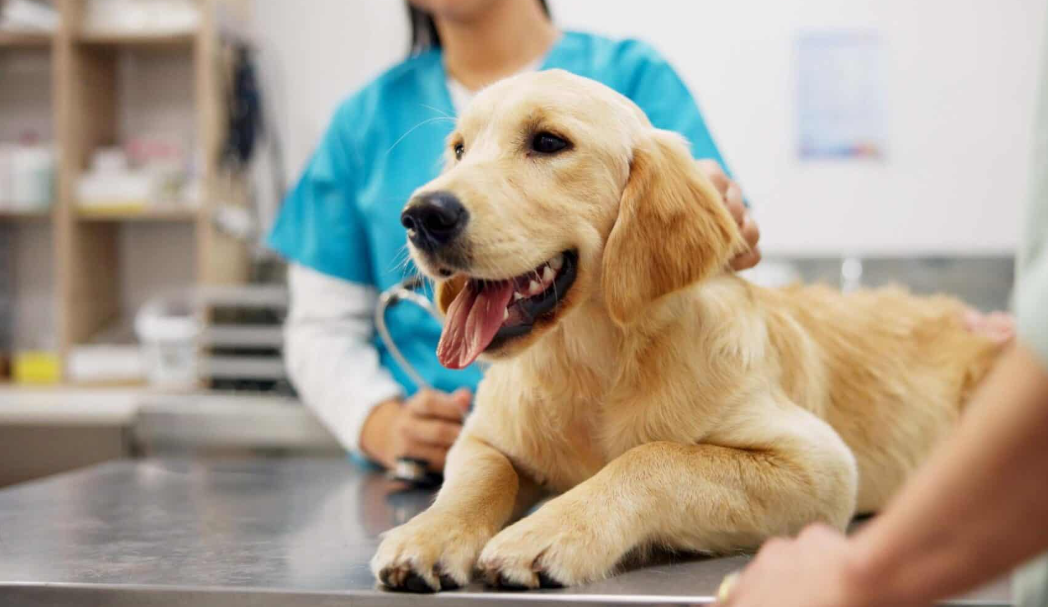
Introduction to Pet Insurance in Today’s World
Pet owners are more aware than ever that caring for a furry friend involves responsibility, love, and preparation. One important part of that preparation is understanding Pet Insurance — a financial safety net that defuses stress during unexpected medical events. Whether a pet faces injury, illness, or chronic conditions, having insurance can change the way owners respond to vet costs.
Understanding insurance policies, what they cover, and how claims work can feel complex. However, with clear guidance, every pet owner can learn how to choose and use insurance wisely. This article explores everything a pet parent should know, from basic definitions to real-world decision tips.
What Is Pet Insurance and Why It Matters
Pet Insurance is a health coverage plan designed to reduce the financial strain of veterinary care. Similar to human medical insurance, it helps owners pay for exams, treatments, surgeries, and sometimes wellness checkups. Without this coverage, unexpected vet bills can quickly become overwhelming.
Pet insurance is particularly valuable because animals cannot communicate pain or symptoms clearly. Early medical intervention often leads to better outcomes, and coverage encourages owners to seek care promptly. Ultimately, the presence of insurance allows more caring choices when health issues arise.
Understanding How Pet Insurance Works
Basic Principles of Coverage
Pet Insurance For Pets functions much like human health insurance but tailored for animal needs. Owners pay a monthly or annual premium. In return, the insurance company agrees to pay a portion of eligible veterinary costs when a covered event occurs.
When an unexpected illness or accident happens, the pet owner submits a claim. After processing, the insurer reimburses part of the bill. The exact amount depends on the plan, deductible, and reimbursement percentage.
Key Insurance Components Explained
Every plan typically includes:
-
Premium: The amount you pay regularly to keep the policy active.
-
Deductible: The amount you must pay out-of-pocket before insurance kicks in.
-
Reimbursement Percentage: The portion of the vet bill the insurer will cover after the deductible.
Understanding these components helps owners predict how much they will pay and how much they may get back after a claim.

Types of Pet Insurance Plans
Accident-Only Plans
Accident plans cover injuries due to events like falls, bites, or ingestion of foreign objects. These plans are usually more affordable but do not cover illnesses.
Illness and Accident Plans
This broader coverage includes both unexpected injuries and diseases like infections, allergies, or cancer. Most pet parents prefer this type because it protects against a wide range of health issues.
Wellness Add-Ons
Wellness or routine care coverage includes scheduled checkups, vaccinations, dental cleaning, and preventive care. These options help offset regular pet care expenses but are usually optional extras.
Pet Insurance For Dogs – What Owners Should Know
Dogs are active and curious animals — traits that bring joy but also risks. Pet Insurance For Dogs offers peace of mind that accidents or illnesses won’t become financial nightmares.
Dog insurance policies typically cover:
-
Broken bones from play
-
Emergency surgeries
-
Chronic condition treatments
-
Diagnostics like X-rays and blood tests
For many owners, having financial support allows them to explore better treatment options without hesitation.
Why Pet Insurance For Dog Is Worth Considering
Unexpected Illnesses Can Be Costly
Condition treatment costs add up quickly. Serious illnesses like cancer, kidney disease, or genetic conditions may require long-term care. Insurance helps owners afford those treatments without delay.
Accidents Happen Even To Well-Behaved Dogs
Play, exploration, and outdoor fun sometimes lead to injury. Even a simple fracture can result in a hefty bill at the clinic. Pet insurance gives owners the ability to act quickly.
Benefits of Pet Insurance For Pets
Reduced Financial Anxiety
Knowing there is support for vet costs helps owners make decisions based on care rather than cost. Many families find peace of mind in this financial protection.
Better Health Outcomes
When cost is not the primary concern, owners tend to seek veterinary help sooner. Early intervention often leads to better recovery and health.
Common Limitations and Exclusions in Pet Insurance
Pre-Existing Conditions
Most plans do not cover conditions that existed before the policy started. This makes enrolling young and healthy pets ideal.
Certain Breed-Specific Issues
Insurance companies may limit or exclude coverage for conditions common to certain breeds. Reading policy details helps avoid surprises later.
Waiting Periods
Plans often have waiting periods before coverage starts. Owners should plan ahead, not wait until a health problem appears.
How to Choose the Right Pet Insurance Plan
Assess Your Pet’s Lifestyle
Young and active pets may benefit from broader accident and illness coverage. Older pets might require plans that cover chronic care needs.
Compare Plans Side-By-Side
Use a table like the one below to compare policy features, pricing, deductibles, and reimbursement levels:
| Feature | Accident Only | Accident + Illness | Wellness Add-On |
|---|---|---|---|
| Covers injuries | ✔ | ✔ | ✘ |
| Covers illness | ✘ | ✔ | ✘ |
| Routine care | ✘ | ✘ | ✔ |
| Best for | Budget-conscious owners | Full protection | Preventive care |
Check Customer Reviews and Claims Process
A friendly customer experience and fast claims processing are as important as coverage itself. Reading real user experiences can reveal how supportive a company is in real situations.
Cost Factors That Affect Pet Insurance Premiums
Age and Breed of Pet
Older pets usually have higher premiums because they face higher health risks. Certain breeds also cost more to insure due to inherited conditions.
Type of Coverage Chosen
Plans with broader coverage or wellness options cost more than accident-only plans. High reimbursement levels also raise premiums.
Location of Owner
Vet costs vary by region. Plans adapt pricing based on average vet costs in your area.
Real Stories: When Pet Insurance Made a Difference
Case 1 — Sudden Injury
A young dog swallowed a toy piece while playing. Emergency surgery was needed immediately. Insurance covered most of the bill, saving the family thousands of dollars.
Case 2 — Chronic Condition Treatment
An older cat developed diabetes. Long-term care and medication added up quickly. With insurance, the owner could afford consistent treatment without financial stress.
These real examples show how insurance changes the way owners care for their pets.
Pet Insurance vs. Savings Account—Which Is Better?
Some owners choose to save money for future pet care instead of buying insurance. Both approaches have pros and cons.
Savings Account Pros:
-
Full control of funds
-
No policy contracts
Insurance Pros:
-
Financial help during expensive emergencies
-
Encourages owners to use needed care
-
Often reimburses more than expected savings
Most experts recommend insurance because emergencies are unpredictable and often expensive.
Common Misconceptions About Pet Insurance
“It Covers Everything.”
No plan covers all possible issues. Carefully reading policy terms prevents false expectations.
“Older Pets Cannot Get Insured.”
Some companies offer coverage for older animals, though prices may be higher.
“Insurance Is Too Expensive.”
Costs must be compared with potential vet bills — in many cases, insurance proves cost-effective.
Tips to Maximize Your Pet Insurance Benefits
Enroll Early
Signing up while your pet is young ensures broader coverage options and lower premiums.
Choose Realistic Reimbursement Levels
Lower reimbursements save money on premiums, but higher levels reduce your out-of-pocket costs when claims occur.
Understand the Deductible Structure
Annual deductibles differ from per-incident deductibles. Knowing the difference helps plan claim timing.
Pet Insurance for Multi-Pet Households
Many families have more than one pet. Some insurance providers offer multi-pet discounts, which can make coverage more affordable. Comparing bundled options can save money while protecting all your animals.
Conclusion
Pet ownership brings joy, laughter, companionship, and sometimes unexpected challenges. One major challenge is the cost of healthcare when pets face illness or injury. Pet Insurance bridges that gap and gives owners financial confidence to seek care without hesitation. By reducing stress and uncertainty, insurance lets pet parents focus on what matters most — the well-being of their loving companions.
Understanding how insurance works before you need it makes all the difference. Pet Insurance For Pets is not just a financial tool; it is a plan for peace of mind. For dogs and other animals, coverage allows families to choose care based on medical need and not just cost. When accidents strike, or chronic health issues arise, having coverage means owners can act promptly and responsibly.
Choosing the right plan involves comparing policy details, knowing cost factors, and planning for the future. Whether you adopt a young puppy or bring home a senior pet, the security that insurance offers is valuable. Many pet owners who once worried about vet bills now speak with relief about the support their policy provided during real health crises. Pet insurance is both practical and compassionate — a thoughtful step in responsible pet ownership.
FAQs
What is pet insurance and how does it work?
Pet insurance helps cover a portion of vet costs when pets get sick or injured. Owners pay a regular premium, submit claims for eligible expenses, and receive reimbursement based on their plan.
Does pet insurance cover routine checkups?
Standard plans focus on illness and accidents. Routine checkups are usually covered only if a wellness add-on is purchased.
Can I get insurance for an older pet?
Yes, some companies insure older animals, though premiums may be higher.
Are pre-existing conditions covered?
Generally, pre-existing conditions are not covered by most standard plans.
Is pet insurance worth the cost?
For many owners, yes — because unexpected health events can be expensive and stressful without coverage.
How do I choose the best pet insurance?
Compare coverage details, reimbursement percentages, deductibles, and claim reviews before choosing.
Can insurance cover hereditary conditions?
Some plans include hereditary condition coverage, but it varies by policy.
Does insuring multiple pets save money?
Certain insurers offer multi-pet discounts, which can reduce costs.
Are there waiting periods?
Yes, most plans have a waiting period before coverage begins.
Can I change my coverage later?
Many companies allow changes during renewal periods.