
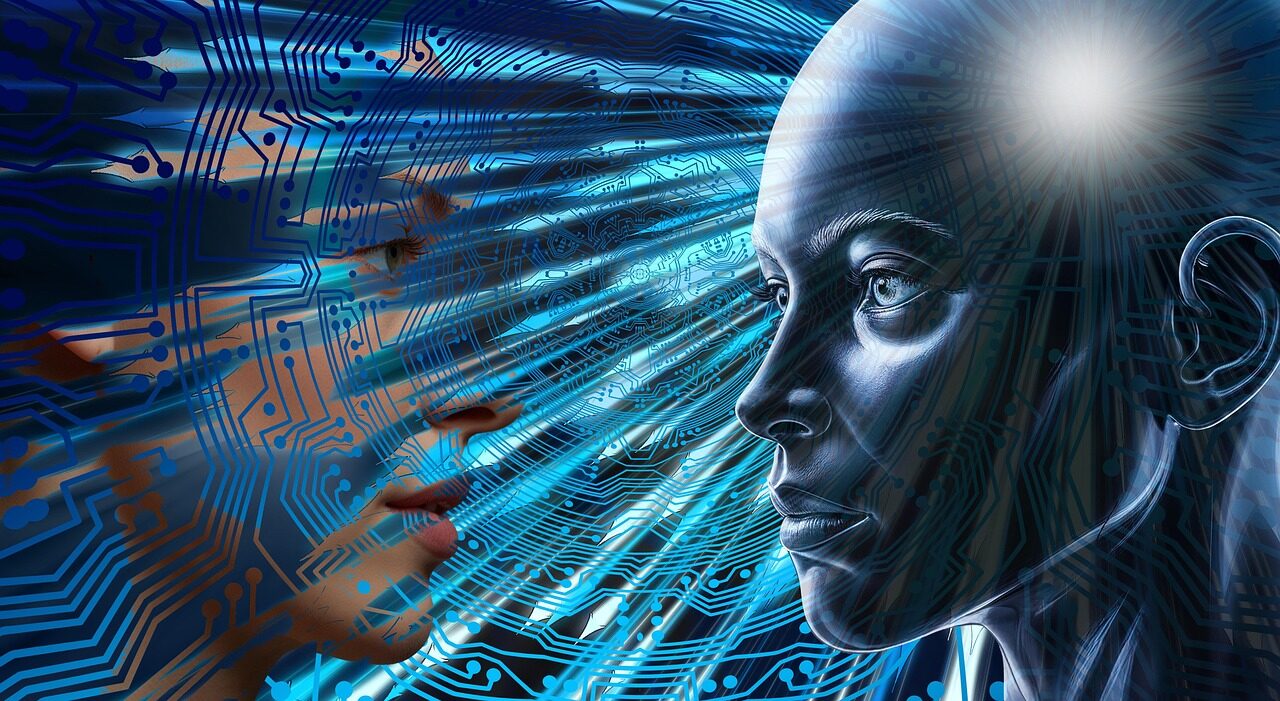
Quantum computing is revolutionizing technology by harnessing quantum mechanics to solve complex problems far beyond classical computers’ capabilities. In 2025, designated as the International Year of Quantum Science and Technology, rapid advancements in error correction, logical qubits, and scalable hardware bring practical applications closer—spanning drug discovery, optimization, and cryptography.
This guide explains core concepts accessibly, without deep math, and highlights current developments and learning resources.
Classical vs. Quantum Computing
Classical computers use bits as 0 or 1. They process information sequentially or in parallel but struggle with exponential problems like simulating molecules or factoring large numbers.
Quantum computers use qubits, which can represent 0, 1, or both simultaneously via superposition. This enables exploring vast possibilities at once—exponential speedup for specific tasks.
Key Quantum Concepts
Qubits
The basic unit, often implemented with superconducting circuits, trapped ions, or photons. Qubits are fragile and require near-absolute zero temperatures to minimize noise.
Superposition
A qubit exists in multiple states until measured, like a coin spinning as both heads and tails. Multiple qubits create exponential states (e.g., 300 qubits ≈ 2^300 possibilities, more than observable universe atoms).
Entanglement
Linked qubits correlate instantly, regardless of distance—Einstein’s “spooky action.” This enables parallel complex computations.
Interference and Measurement
Algorithms amplify correct answers and cancel wrong ones. Measurement collapses superposition to classical results.
How Quantum Computers Work
Quantum gates manipulate qubits, forming circuits for algorithms like Shor’s (factoring) or Grover’s (search). Hardware includes superconducting (IBM, Google), ion traps (IonQ), or neutral atoms. 2025 focuses on error correction for reliable logical qubits.
Challenges and 2025 Developments
Qubits decohere quickly from noise, needing error correction. 2025 brings breakthroughs: improved logical qubits, multi-chip systems (IBM’s Kookaburra), and investments (e.g., PsiQuantum in Australia). Utility-scale fault-tolerant systems near, with hybrid quantum-classical approaches.
Applications and Impact
- Drug Discovery → Molecular simulations speed new medicines.
- Optimization → Logistics, finance, supply chains.
- Cryptography → Threatens current encryption; drives post-quantum standards.
- AI/ML → Faster training, new algorithms.
Quantum complements classical for hybrid solutions.
Getting Started: Resources for Beginners in 2025
- IBM Quantum Learning — Free courses, Qiskit for coding/simulating.
- Microsoft Q# and Azure Quantum — Hands-on programming.
- Books — “Introduction to Classical and Quantum Computing” by Thomas Wong (free); “Dancing with Qubits.”
- Online Courses — Coursera/edX (MIT, Harvard); SpinQ educational hardware.
- Cloud Access — IBM, Google, AWS Braket for real quantum runs.
Quantum computing in 2025 transitions from labs to utility, with error correction unlocking potential. Start exploring—future computing awaits!